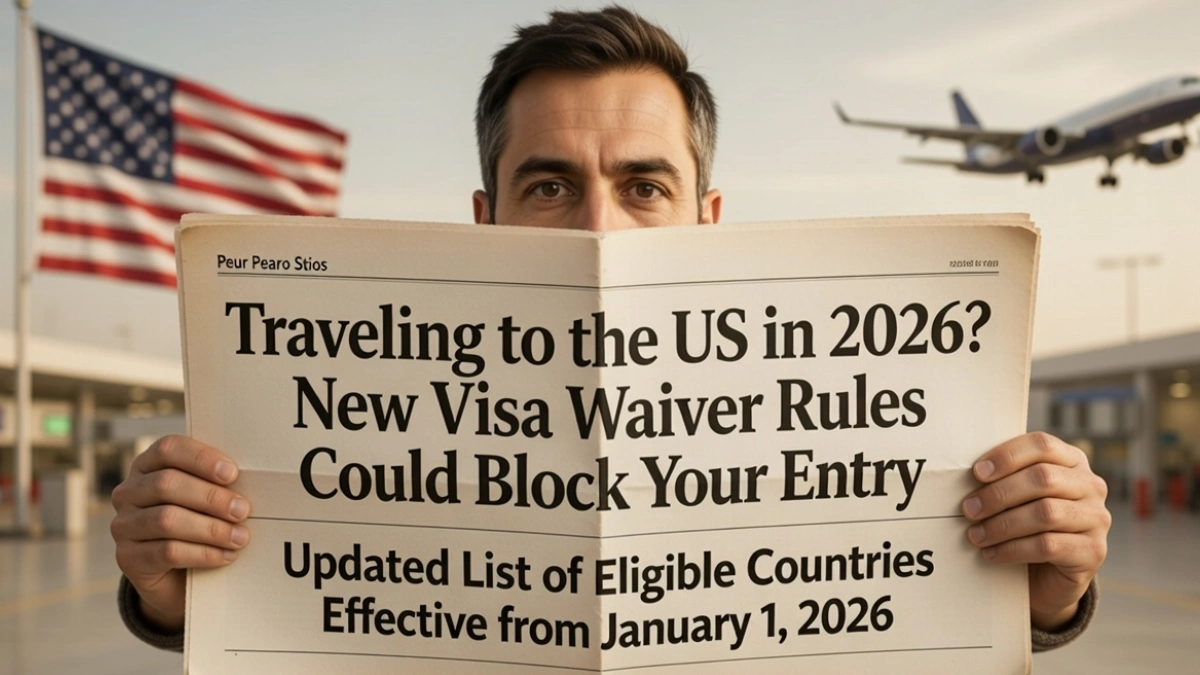
Travelers planning to visit the United States in 2026 under the Visa Waiver Program should be aware of important regulatory updates. The Visa Waiver Program allows citizens of participating countries to travel to the U.S. for tourism or business for up to 90 days without obtaining a traditional visa. However, new compliance requirements and expanded screening measures could impact eligibility and entry approval.
Authorities have strengthened documentation and data verification standards, making it essential for travelers to prepare carefully before departure.
Updated ESTA Application Requirements
The Electronic System for Travel Authorization, commonly known as ESTA, remains mandatory for Visa Waiver travelers. In 2026, updated rules require more detailed personal information during the application process. This may include additional contact history, previous travel data, and expanded security-related disclosures.
Processing times may increase due to deeper screening procedures. Travelers are advised to apply well in advance of departure to avoid last-minute complications.
Key 2026 Visa Waiver Rule Changes at a Glance
| Rule Update | What It Means | Possible Impact |
|---|---|---|
| Expanded Data Collection | More detailed personal and travel information required | Longer application process |
| Enhanced Background Screening | Stricter review of travel and identity records | Higher risk of delays |
| Increased ESTA Fee | Higher application cost than previous years | Added travel expense |
| Biometric Verification | Possible facial or fingerprint checks at entry | Additional airport procedures |
| Stricter Entry Review | Final approval decided at port of entry | Entry not guaranteed |
This table outlines the major adjustments travelers should expect in 2026.
Who Could Be Affected Most
Citizens of countries participating in the Visa Waiver Program will be directly affected by these changes. Even travelers who previously entered the United States without issues may now face additional scrutiny. Those with complex travel histories, dual citizenship concerns, or incomplete application data may encounter delays or authorization denials.
Travelers who do not qualify for the Visa Waiver Program must continue applying for standard visitor visas under existing immigration procedures.
Why Entry Is Not Guaranteed
An approved ESTA allows boarding a flight to the United States but does not guarantee admission at the border. U.S. Customs officers make the final decision at ports of entry. In 2026, stricter enforcement and enhanced screening could result in additional questioning or refusal of entry if inconsistencies are identified.
Accuracy in application details and truthful disclosure of all requested information is essential.
How to Prepare for Travel in 2026
Travelers should submit ESTA applications early, confirm passport validity, and ensure all personal information matches official records. Monitoring official government updates before departure is strongly recommended, as immigration rules can change without extended notice.
Advance preparation and full compliance with updated requirements will reduce the risk of travel disruption.
Conclusion
The 2026 updates to the Visa Waiver Program introduce stricter screening, expanded data requirements, and potentially longer processing times for ESTA applications. While visa-free travel to the United States remains available for eligible countries, travelers must be more diligent than ever in completing applications accurately and preparing documentation in advance. Applying early and staying informed about official changes will be crucial to avoiding denied boarding or entry complications.
Disclaimer: This article is for informational purposes only. Visa Waiver Program regulations, ESTA requirements, fees, and entry decisions are determined by U.S. immigration authorities and may change at any time. Travelers should consult official government resources or qualified immigration professionals for accurate and up-to-date guidance before making travel arrangements.