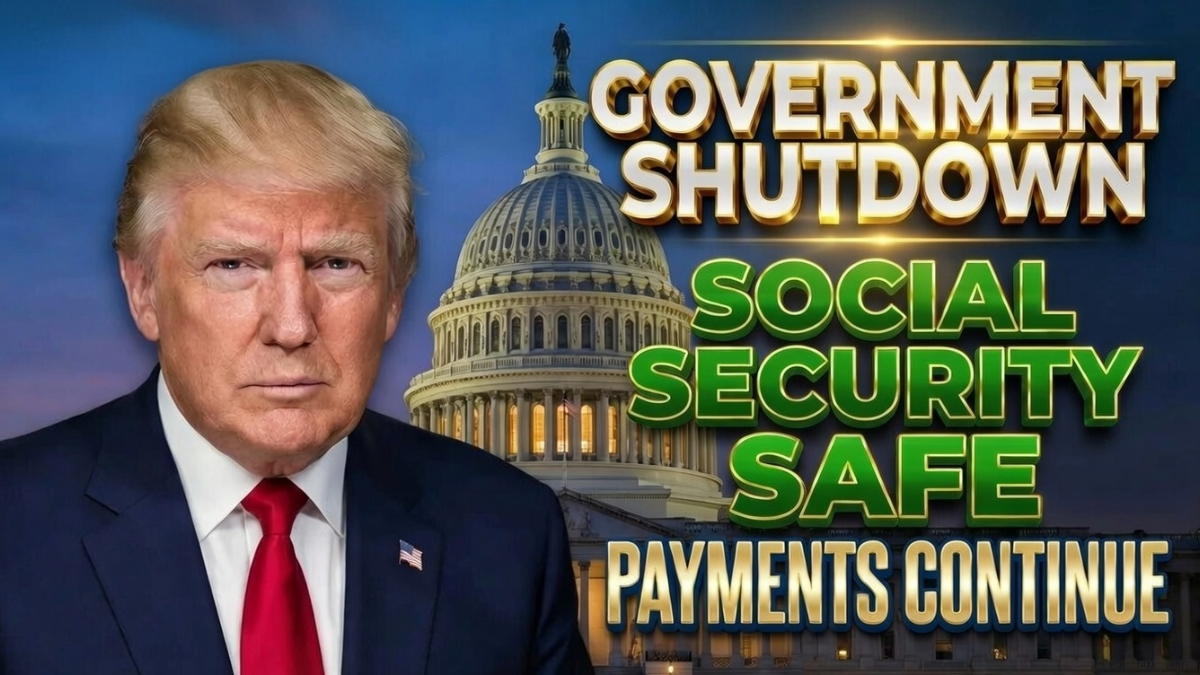
Concerns around a partial government shutdown often create fear among Social Security beneficiaries, especially seniors, disabled individuals, and low-income households who depend on monthly payments. Whenever shutdown news breaks, one of the first questions people ask is whether their Social Security benefits will stop or be delayed. Understanding how shutdowns actually work can help clear the confusion and prevent unnecessary stress.
A partial shutdown does not mean the government completely stops functioning. Instead, certain federal agencies pause non-essential operations due to a lack of funding approval from Congress. The impact on benefits depends on how those programs are funded and classified.
What Is a Partial Government Shutdown
A partial government shutdown occurs when Congress fails to pass funding bills for some federal departments. Agencies without approved budgets must suspend non-essential services, while essential services continue operating.
Importantly, not all government programs rely on annual budget approvals. Some are funded through permanent or mandatory funding streams, which makes a major difference during shutdowns.
Why Social Security Is Treated Differently
Social Security benefits are administered by the Social Security Administration, but the money paid to beneficiaries does not come from yearly congressional budgets. Instead, benefits are funded through payroll taxes deposited into the Social Security Trust Funds.
Because of this structure, monthly Social Security checks are legally protected from interruptions caused by funding gaps. Even during past shutdowns, benefit payments continued without interruption.
Will Monthly Social Security Payments Stop or Be Delayed
For most beneficiaries, monthly payments will continue as scheduled even during a partial government shutdown. This includes retirement benefits, disability payments, and survivor benefits. Direct deposits and mailed checks are processed automatically and do not depend on day-to-day staffing levels.
However, while payments continue, customer support services may be affected. Reduced staffing can lead to longer wait times for phone calls, appointment delays, and slower processing of new claims or appeals.
Services That May Be Affected During a Shutdown
Although payments usually continue, certain administrative services may slow down due to furloughed employees. These disruptions can create inconvenience but do not stop existing benefits.
Some commonly impacted areas include
- New Social Security applications processing
- Disability reviews and appeals
- In-person office appointments
- Replacement Social Security card requests
These delays can last until full government funding is restored.
Impact on Medicare and SSI Recipients
Medicare coverage linked to Social Security generally remains active during a shutdown. Hospital services, doctor visits, and prescription coverage are not paused due to funding issues. Premium deductions from Social Security checks also continue as normal.
Supplemental Security Income payments may continue as well, but administrative actions like eligibility reviews or address changes can face delays if staffing levels are reduced.
Why Shutdown Headlines Often Cause Confusion
Media headlines often focus on the word “shutdown,” which suggests a total halt of government operations. In reality, essential and independently funded programs continue functioning. This gap between perception and reality fuels panic, especially among seniors who rely on fixed incomes.
Social Security has remained one of the most protected programs during past shutdowns, precisely because of its separate funding mechanism.
What Beneficiaries Should Do During a Shutdown
Beneficiaries should continue monitoring their bank accounts and mail for regular payments and avoid making assumptions based on rumors. If you already receive benefits, no action is required during a shutdown.
For those planning to apply for benefits or make changes, it may be wise to expect delays and prepare documents in advance so requests can be processed quickly once normal operations resume.
Conclusion
A partial government shutdown does not automatically stop Social Security benefits. Monthly payments are protected by dedicated funding and have historically continued even during extended shutdown periods. While some administrative services may slow down, beneficiaries can rely on their scheduled payments arriving as usual. Staying informed and avoiding misinformation is the best way to navigate shutdown-related uncertainty.
Disclaimer: This article is for general informational purposes only and does not constitute legal or financial advice.