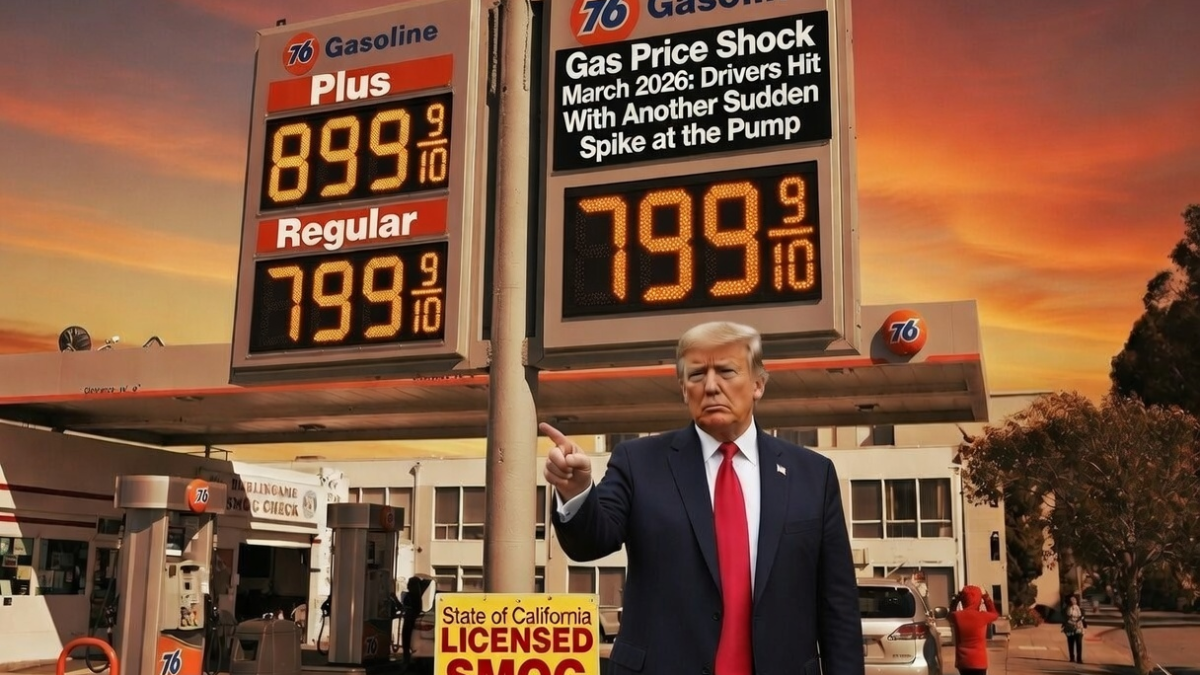
American drivers are once again feeling pressure at the pump as gas prices jump in March 2026. After months of relative stability in some regions, fuel costs have climbed sharply in several states, catching commuters and families off guard.
The sudden increase is raising concerns about household budgets, transportation costs, and potential ripple effects across the economy. Here is what is driving the latest spike and what motorists should expect next.
Why Gas Prices Jumped Again in March 2026
The March 2026 surge is linked to a combination of seasonal demand increases, refinery maintenance cycles, and global oil supply pressures. As spring travel begins to ramp up, gasoline demand typically rises, pushing prices higher.
Refineries often conduct maintenance during late winter and early spring, temporarily reducing fuel production capacity. Lower supply combined with rising demand can quickly lead to price increases at retail stations.
Global crude oil price fluctuations also continue to influence US pump prices. Even modest changes in international oil markets can translate into noticeable shifts at local gas stations.
How Much Prices Have Increased
In many states, drivers are reporting noticeable week over week increases. Some regions are experiencing jumps of several cents per gallon within a short period.
West Coast states traditionally face higher average prices due to stricter fuel standards and higher taxes. Midwest and Gulf Coast regions may see smaller increases, but even minor hikes can significantly impact frequent drivers.
Urban areas often feel the spike faster than rural communities due to higher demand density.
Regional Differences Across the Country
Gas prices vary widely by state. States like California, Washington, and Nevada typically report higher averages compared to southern and central states.
Tax structures, environmental regulations, and transportation costs all contribute to these differences. In March 2026, coastal regions are seeing some of the most noticeable increases, while parts of the Southeast remain relatively lower but still rising.
Monitoring local averages helps drivers anticipate future adjustments.
What This Means for Household Budgets
For daily commuters, even a 20 to 30 cent increase per gallon can add up quickly over the course of a month. Families with multiple vehicles or long commutes are especially affected.
Rising fuel costs may also influence grocery prices and delivery fees if transportation expenses increase for businesses.
Many households are now reevaluating travel plans and adjusting discretionary spending to offset higher fuel bills.
Are Prices Expected to Rise Further
Spring and summer typically bring higher fuel demand due to vacations and road trips. If refinery output remains tight and global oil markets stay volatile, additional upward pressure is possible.
However, if crude oil prices stabilize and refinery capacity increases after maintenance season, prices could level off.
Market conditions remain fluid, making short term forecasting challenging.
How Drivers Can Reduce Fuel Costs
Drivers can reduce fuel consumption by maintaining proper tire pressure, avoiding aggressive acceleration, and combining errands into fewer trips. Using fuel reward programs and price comparison apps may also help find lower cost stations nearby.
Carpooling and remote work flexibility can reduce overall mileage for some households.
Even small efficiency improvements can help offset rising pump prices.
Economic Impact Beyond the Pump
Gas prices often influence broader inflation trends. When fuel costs rise, transportation and shipping expenses increase, which can affect consumer goods pricing.
Economists are closely watching whether the March 2026 spike becomes a sustained trend or remains temporary.
Consumer confidence may also shift if high energy costs persist into the summer travel season.
Conclusion
Gas prices in March 2026 have surged again, surprising drivers across the United States. Seasonal demand, refinery maintenance, and global oil market pressures are contributing to the latest spike.
While future pricing depends on supply and international market stability, drivers should prepare for continued volatility in the coming weeks. Monitoring local prices and adopting fuel saving strategies can help ease the impact on household budgets.
Disclaimer: Gas prices fluctuate daily based on market conditions. This article is for informational purposes only and does not constitute financial advice.