Every year, Daylight Saving Time creates confusion for millions of people, and 2026 is no exception. Many are already asking when clocks will fall back and how it will impact sleep schedules, work routines, and daily life. With changing daylight hours affecting everything from health to productivity, knowing the correct date in advance can save you from missed appointments and disrupted mornings.
When Daylight Saving Time Ends in 2026
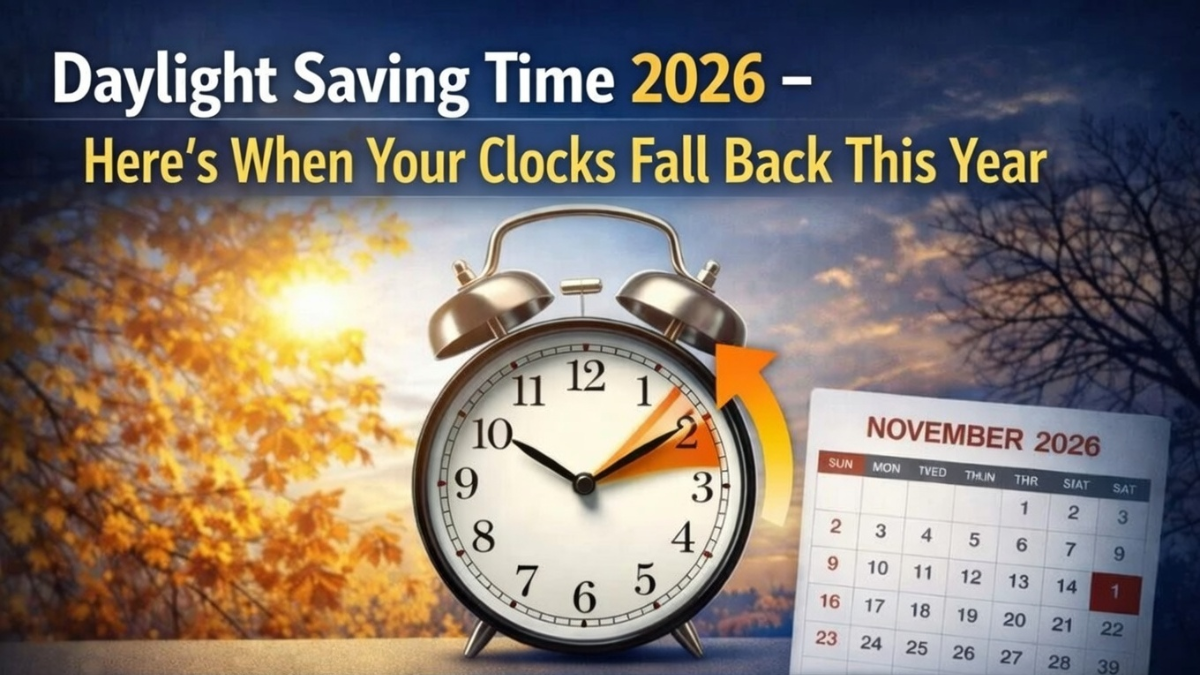
In 2026, Daylight Saving Time will officially end on Sunday, November 1. On this day, clocks will fall back by one hour at 2:00 a.m. local time. This shift marks the return to standard time, meaning mornings will become brighter while evenings get darker earlier.
For most people, this change results in gaining an extra hour of sleep, but it also signals shorter days as winter approaches.
What “Fall Back” Really Means for Your Daily Routine
When clocks fall back, sunrise and sunset times change noticeably. Mornings feel lighter earlier, which can help early risers and school schedules. However, evenings become darker much sooner, often affecting outdoor activities, commutes, and overall mood.
Many people experience minor disruptions to their internal body clock during this transition, even though it is generally considered easier than the spring forward change.
Who Needs to Change Their Clocks Manually
Most modern smartphones, computers, and smart devices adjust automatically when Daylight Saving Time ends. However, traditional wall clocks, car dashboards, watches, microwaves, and ovens often require manual updates.
Forgetting to reset these clocks can lead to confusion, especially on Monday morning when routines resume.
Why Daylight Saving Time Still Exists in 2026
Daylight Saving Time was originally introduced to make better use of natural daylight and reduce energy consumption. While its effectiveness is still debated, the system remains in place across most parts of the United States and several other countries.
Discussions about eliminating clock changes continue, but no nationwide change has been implemented for 2026.
Health and Sleep Impact of the Time Change
Although gaining an extra hour sounds beneficial, the shift can still affect sleep cycles. Experts suggest gradually adjusting bedtime a few days before the change to minimize disruption. Exposure to natural morning light and maintaining consistent routines can help the body adapt more smoothly.
Children, seniors, and people with strict schedules may feel the effects more strongly.
How to Prepare for the 2026 Fall Back Change
The best way to prepare is to plan ahead. Adjust important schedules, check manual clocks before bedtime, and take advantage of the extra hour for rest. Being aware of the exact date helps avoid confusion, especially for travelers and remote workers coordinating across time zones.
Conclusion
Daylight Saving Time in 2026 will end on November 1, when clocks fall back by one hour at 2:00 a.m. While the change brings brighter mornings and an extra hour of sleep, it also means darker evenings ahead. Staying informed and preparing in advance can make the transition smoother and stress-free.
Disclaimer: This article is for general informational purposes only. Time change rules may vary by location.